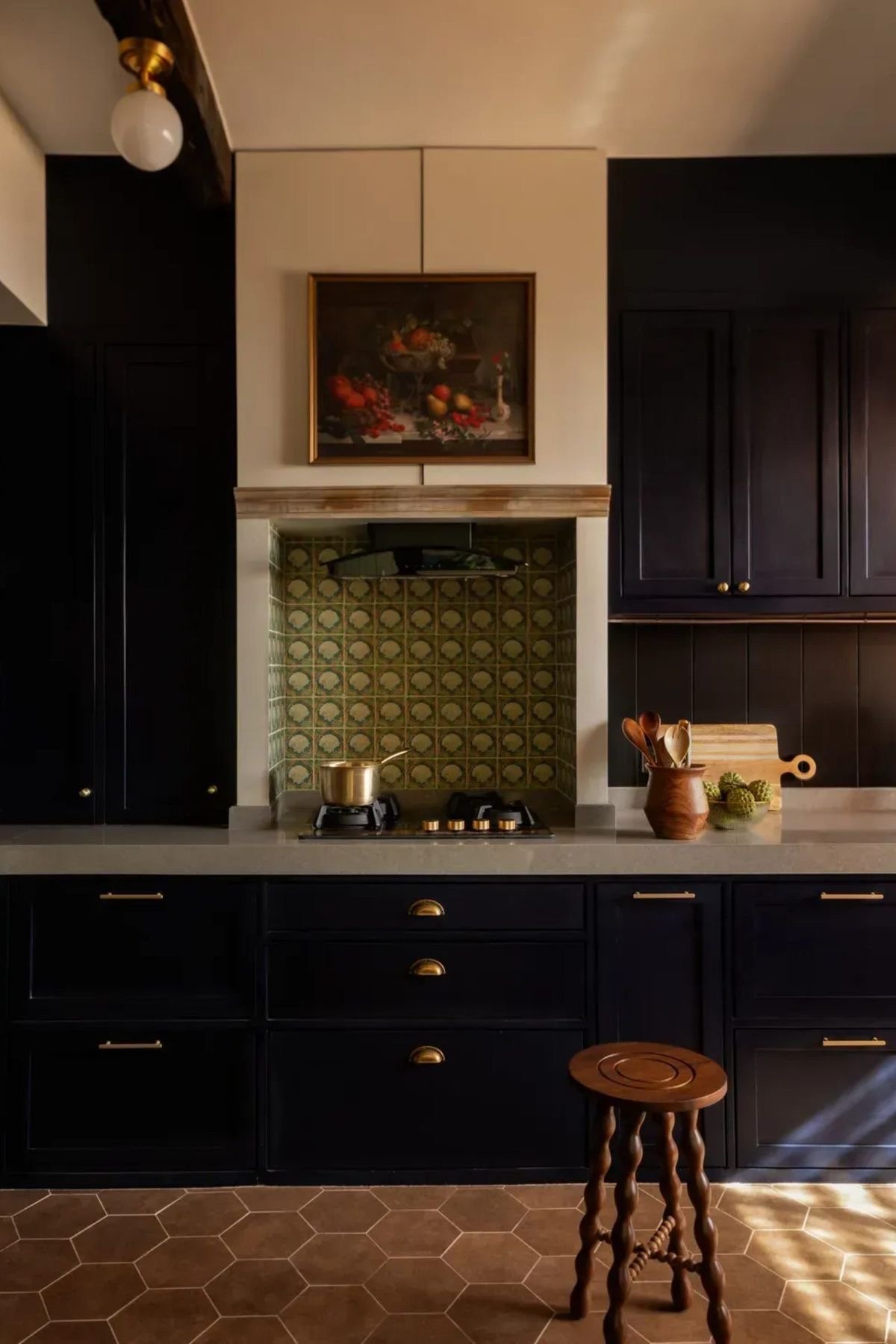
Vastu Shastra: The Ancient Indian Design Philosophy That's Influencing Modern Homes
Tabitha LeJeune August 4, 2026
Tabitha LeJeune August 4, 2026
When searching for a home, most people focus on location, layout, and price. But for many homeowners, another factor plays an important role: Vastu Shastra.
Often described as India's version of Feng Shui, Vastu Shastra is an ancient architectural philosophy that has guided home design for thousands of years. Rooted in traditional Hindu texts, it aims to create harmony between a home, nature, and the people who live in it.
Whether you follow its principles closely or simply appreciate thoughtful design, understanding Vastu can provide insight into what many buyers look for in a home.
The word "Vastu" means dwelling, while "Shastra" translates to science or teaching. Together, Vastu Shastra refers to a traditional system of architecture that emphasizes the relationship between a building, its surroundings, and the natural elements.
The philosophy is based on balancing five elements:
It also places significant importance on the orientation of a home and how different rooms relate to the cardinal directions.
The southeast corner is commonly recommended for kitchens because it is associated with the fire element. If that isn't possible, the northwest is often considered an acceptable alternative.
The southwest portion of the home is traditionally recommended for the primary bedroom, as it is believed to promote stability and restful sleep.
Many Vastu practitioners recommend placing a prayer room or meditation area in the northeast, which is associated with peace and spirituality.
Like many design philosophies, Vastu encourages minimizing clutter and maximizing natural light and airflow to create a calm, inviting environment.
For many Indian families, Vastu is more than a design preference. It reflects cultural traditions that have been passed down through generations.
When purchasing a home, some buyers specifically look for properties that align with Vastu principles or can be adapted to better suit them. Others may consult a Vastu expert before making renovations or selecting a new home.
Even buyers who don't strictly follow Vastu often appreciate the practical aspects of its recommendations, including natural lighting, ventilation, functional layouts, and a strong connection to outdoor spaces.
Although they're often compared, Vastu Shastra and Feng Shui developed independently.
Vastu originated in ancient India and focuses heavily on architecture, orientation, and the relationship between a building and the natural world.
Feng Shui originated in China and centers on balancing the flow of energy, or qi, through furniture placement, décor, and the Bagua map.
Both philosophies share the goal of creating harmonious living environments, but they approach that goal differently.
If you're buying or building a home, Vastu may or may not influence your decision. For some, it's an essential consideration. For others, it's simply an interesting part of architectural history.
Understanding these preferences can also help sellers market their homes to a broader audience, especially in communities with diverse populations where Vastu-conscious buyers may be active.
At the end of the day, every buyer has different priorities. Whether you're focused on school districts, outdoor living, energy efficiency, or Vastu principles, finding a home that aligns with your lifestyle is what matters most.